
 Syed Najiulla
Complex components demand more than accurate dimensions. Each contour, bore, thread, and surface finish can affect final performance. A cnc machine shop Dallas can apply controlled machining processes where tight tolerances matter. Precision methods reduce dimensional variation while supporting reliable assembly. Material behavior, tooling, and cutting parameters also shape results. Together, these factors explain why precision machining remains essential for demanding component production.
Precision controls critical dimensional accuracy
Tight tolerances keep mating components properly aligned. Even tiny dimensional errors can disrupt assembly. Precision machining controls those variations through programmed tool movement and measured cutting conditions.
- Tool paths follow defined geometric requirements.
- Cutting parameters support consistent material removal.
- Inspection confirms dimensions against approved specifications.
- Repeatable setups reduce unwanted production variation.
Why does geometry demand careful control?
Complex geometry creates difficult machining conditions. Deep cavities can restrict tool access. Thin walls may deform during cutting. Curved surfaces also require coordinated tool movement for accurate results. Precision programming addresses these challenges through controlled paths and suitable tooling.
For example, a contoured aerospace bracket needs consistent wall thickness. A minor deviation can affect fit, weight, or structural behavior.
Consistent finishes support component performance
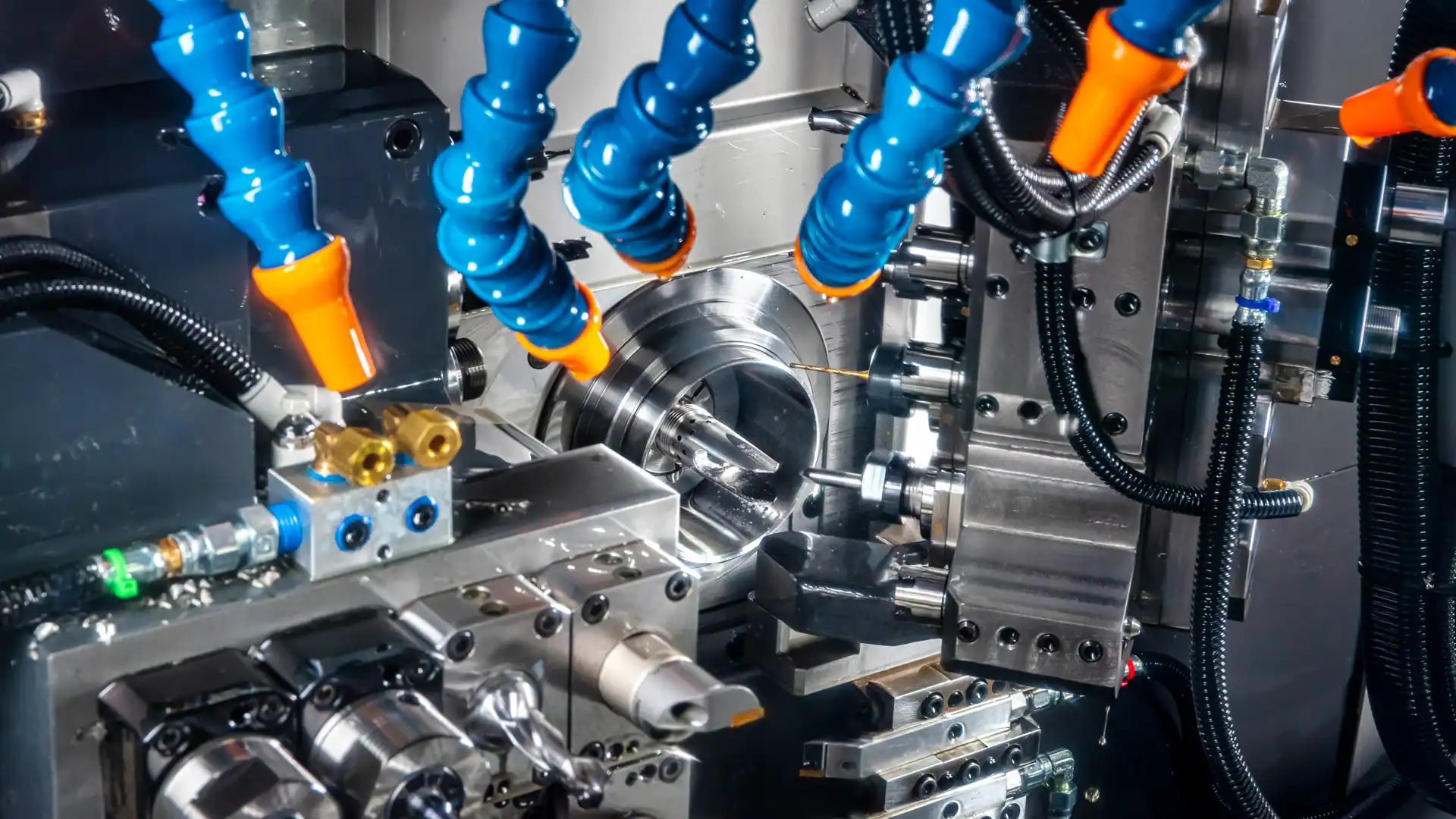
Surface quality influences more than appearance. Rough areas can increase friction, trap contaminants, or weaken sealing contact. Precision machining provides controlled finishing through suitable cutters, speeds, feeds, and passes.
A cnc machine shop Houston can produce components requiring carefully specified finishes. Material selection also matters because aluminum, steel, and hardened alloys respond differently during cutting.
Can repeatability reduce assembly problems?
Repeatability keeps successive components closely matched. That consistency matters when assemblies contain dozens of interacting parts. Controlled machining limits dimensional drift between production cycles.
Useful advantages include:
- Components maintain predictable mating dimensions.
- Replacement parts preserve established fit.
- Assembly adjustments become less frequent.
- Inspection results remain easier to compare.
A precision process therefore supports production reliability beyond one finished component.
Tolerance decisions shape manufacturing outcomes
Precision does not mean assigning extreme tolerances everywhere. Each feature should receive requirements based on functional purpose. An unnecessary tolerance can increase machining time and inspection demands.
For example, a mounting bore may require tighter control than an external cosmetic surface. That distinction helps balance performance, cost, and production efficiency.
FAQs
Why are tight tolerances important?
Tight tolerances help components assemble correctly and perform consistently.Proper control also reduces unwanted movement between mating features.
Does precision machining improve surface quality?
Controlled cutting can produce specified surface finishes and profiles.Finish requirements depend on material, tooling, and application.
Can precision machining handle complex shapes?
Yes, coordinated toolpaths can produce intricate contours and cavities.Proper workholding remains essential for dimensional stability.
The smallest bore can change everything
A precisely machined bore can determine an entire assembly’s behavior. If that feature controls shaft alignment, a tiny error can spread through connected parts. Precision therefore becomes a system-level safeguard, not merely a dimensional target.