
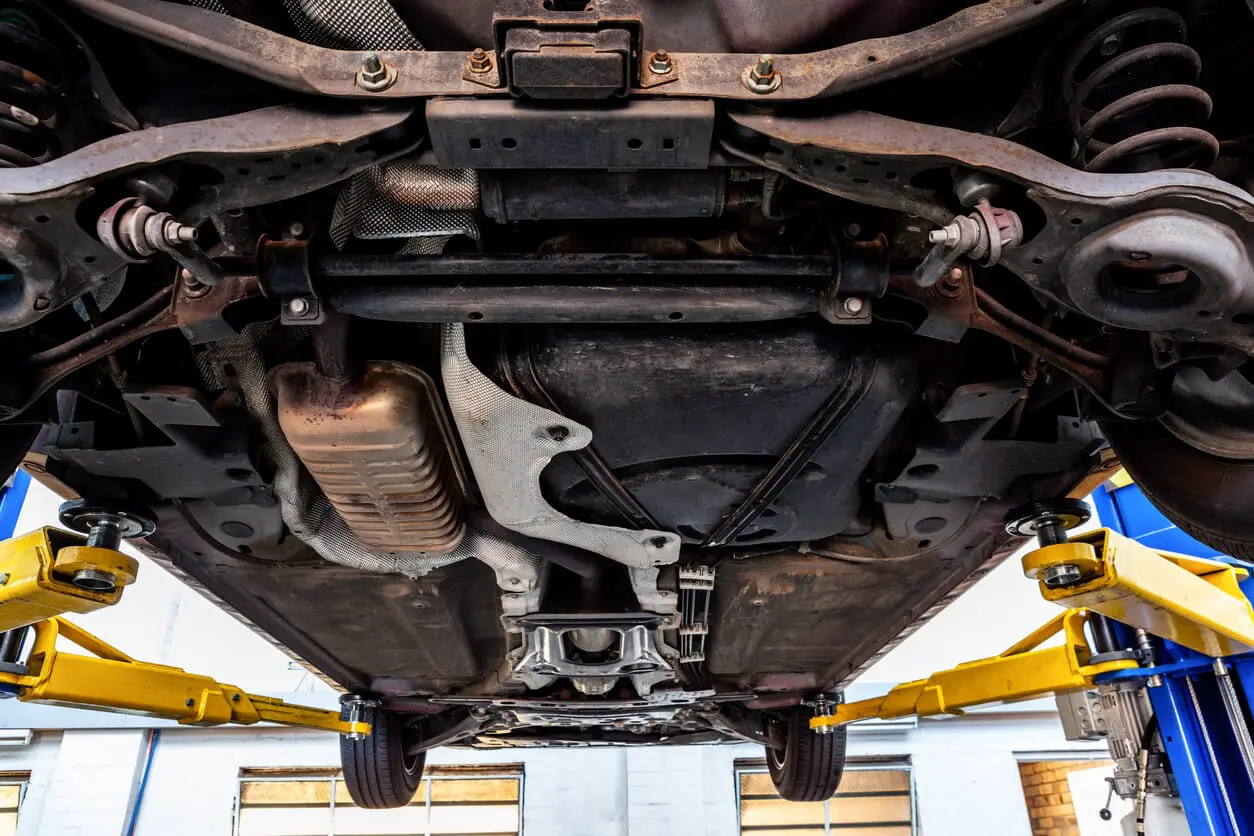
Maintaining correct vehicle structure after a collision requires accurate tools and careful repair methods. Many repair centers rely on a frame machine body shop setup to restore damaged chassis without causing further issues. Proper alignment equipment allows technicians to measure the body frame and return it to the factory position. When the structure is repaired correctly, safety systems work as expected during driving. Repair accuracy also helps avoid tire wear, steering problems, and uneven panel gaps. Because of this, workshops continue to depend on strong frame straightening systems for reliable results.
Importance of Accurate Frame Alignment
Vehicle frames are designed with exact measurements that must stay within safe limits. Even a small bend in the structure can affect suspension balance and wheel position.
Frame machines help technicians pull, push, and measure the body safely. Accurate alignment keeps the vehicle stable and prevents long-term mechanical problems.
Key Functions Inside Frame Straightening Systems
Modern repair machines include several tools that support safe structural correction.
- Measuring towers check frame points to match the manufacturer’s body dimension charts
- Hydraulic pulling units apply a controlled force during the structural correction process
- Adjustable clamps hold the vehicle firmly without causing additional metal damage
- Electronic measuring systems provide precise readings during alignment work
- Movable platforms allow technicians to access different sides of the vehicle frame
- Locking supports maintain stability while straightening damaged body sections
- Safety chains prevent sudden movement while a heavy pulling force is applied
- Modular fixtures adapt to different car models and body shapes easily
Role of Measurement Technology in Repairs
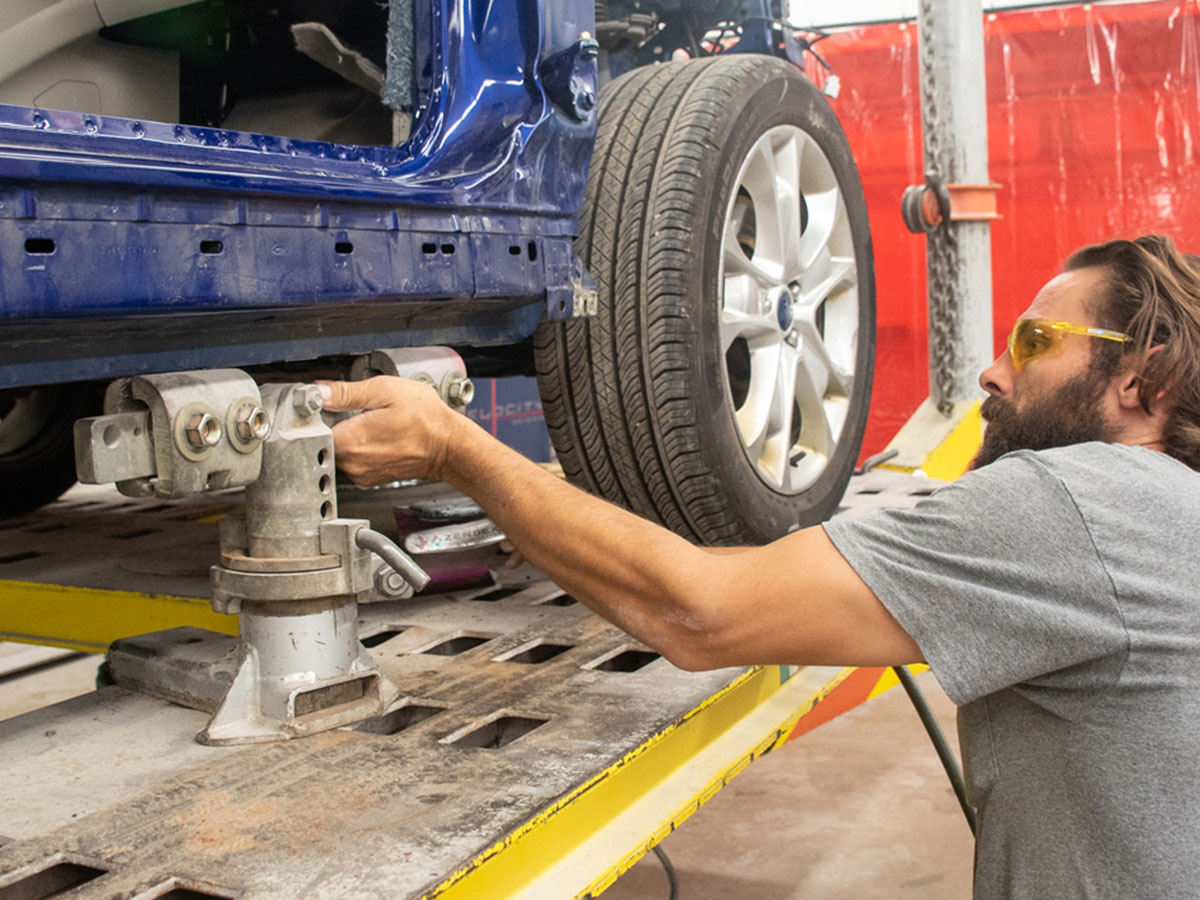
Modern repair work depends on accurate data before any pulling begins. Technicians compare vehicle dimensions with factory specifications to locate damage.
Digital measuring tools reduce guesswork and help avoid repeated adjustments. Better measurements lead to faster repairs and safer driving conditions.
Why Proper Frame Correction Matters for Vehicle Safety?
The vehicle structure supports the engine, suspension, and passenger cabin. When the frame is bent, the impact spreads to many connected parts. Repairing only visible damage may leave hidden misalignment inside the body. A correct process checks every reference point before finishing the job.
Accurate correction also keeps airbags, sensors, and steering systems working normally. Small alignment errors can change how the vehicle reacts during sudden braking or turning. Reliable repair equipment helps restore the original shape without weakening the metal. This is why frame straightening must follow proper measurement steps.
Equipment Design Supporting Stable Repair Work
Strong platforms and holding systems keep the vehicle steady during repair. Stable support allows the pulling force to move only the damaged area.
Balanced equipment reduces the risk of further bending during correction. Good design also makes repair work easier for technicians.
Repair Accuracy with Modern Frame Systems
Repair centers today depend on reliable machines to maintain structural precision. A frame machine body shop setup gives technicians the control needed for careful correction.
With proper tools, the body frame can return close to factory condition. Consistent results help vehicles perform safely after major collision repairs.
Reliable Results Through Correct Repair Process
Repair work becomes dependable when proper tools and methods are used together. Structural correction should follow clear measurements instead of guesswork. Workshops using strong alignment systems can maintain consistent repair quality. Modern Frame Machine Body Shop Equipment Improving Vehicle Structural Repair Accuracy explains how proper machines support safe vehicle restoration. Careful setup, correct pulling force, and accurate checking keep the vehicle close to its original condition. Consistency in repair steps always matters more than speed during structural work.